
Construction Loans: The Smart Way to Finance Your Dream Build
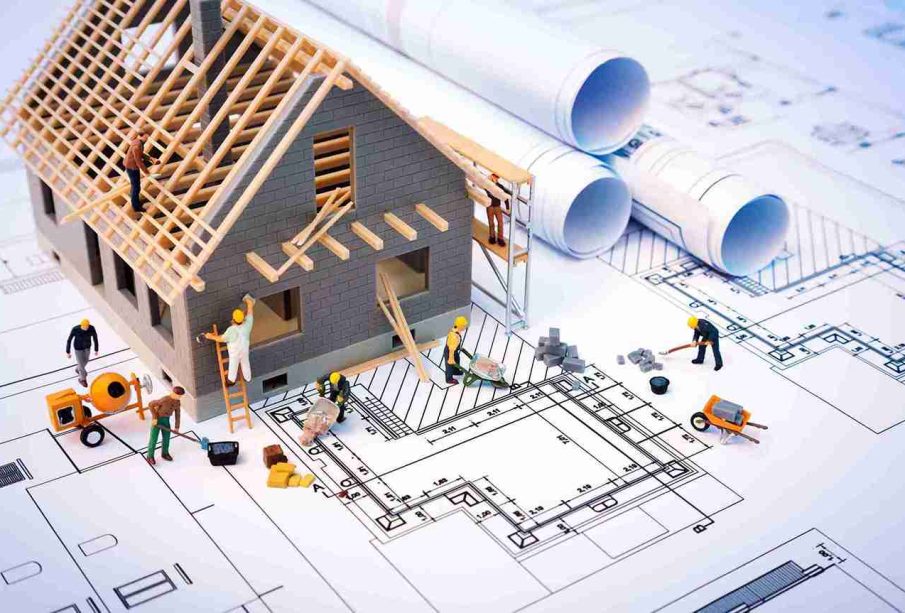
Building a custom home or starting a large-scale property project is an exciting milestone, but it also comes with major financial decisions. Unlike traditional mortgages, construction loans are specifically designed to support projects that are still in progress. Whether you are planning a residential build, investment property, renovation, or commercial development, understanding how these loans work can help you avoid delays, budget problems, and financing complications.
Today, more homeowners and developers are choosing flexible financing solutions that match the unique timeline of modern construction projects. With rising property values and increasing demand for custom homes, the importance of reliable construction loans has never been greater.
What Are Construction Loans?
Unlike a standard home loan that provides a lump sum upfront, construction loans are distributed in stages during the building process. These payments are commonly called “draws” and are tied to construction milestones such as foundation work, framing, roofing, plumbing, or final completion.
Because the property does not yet fully exist, lenders evaluate the builder, project plans, estimated timeline, and overall budget before approving financing. This makes the process more detailed than a conventional mortgage, but it also provides greater flexibility for new developments.
Most borrowers use construction loans for:
• Building custom homes
• Major renovations or rebuilds
• Multi-family residential projects
• Investment properties
• Luxury home developments
• Commercial real estate construction
The structure of these loans helps ensure that funds are released responsibly while keeping the project moving efficiently.
Why Construction Financing Is Different
Traditional home financing is based on an already completed property. With construction loans, lenders are financing potential value rather than existing value. This creates a different level of risk, which is why the approval process often includes:
• Detailed architectural plans
• Contractor agreements
• Construction schedules
• Material and labor estimates
• Appraisals based on projected future value
• Builder experience verification
This extra layer of review benefits both the lender and the borrower. It helps ensure that projects remain realistic, financially stable, and properly managed from start to finish.
Types of Construction Loans
There are several financing structures available depending on the scope of the project.
Construction-to-Permanent Loans
This option begins as short-term financing during construction and later converts into a traditional mortgage once the property is complete. Many borrowers prefer this approach because it simplifies the financing process and reduces closing costs.
Stand-Alone Construction Loans
These loans only cover the building phase. Once construction is complete, the borrower must apply for separate long-term financing. This approach may work well for borrowers expecting improved financial conditions in the future.
Owner-Builder Loans
Some experienced builders choose to manage projects themselves. Specialized construction loans may support owner-builders, although qualification requirements are often stricter.
Renovation Construction Loans
Not every project starts from scratch. Financing can also support extensive remodeling, structural upgrades, additions, or complete property transformations.
Benefits of Construction Loans
One of the biggest advantages of construction loans is flexibility. Borrowers gain access to financing tailored specifically to active building projects instead of trying to force construction into a traditional mortgage structure.
Key benefits include:
• Funding released according to project progress
• Interest payments often apply only to funds already used
• Flexible terms for unique projects
• Financing for land, labor, and materials
• Support for custom property development
• Potential for higher long-term property value
For many families, investors, and developers, this financing approach makes ambitious projects financially possible.
Understanding the Draw Process
The draw system is one of the most important parts of construction loans. Instead of receiving all funds immediately, money is released in phases based on completed work.
A typical draw schedule may include:
• Land purchase or initial site preparation
• Foundation completion
• Structural framing
• Roofing and exterior work
• Electrical and plumbing systems
• Interior finishing
• Final inspections and completion
Before each release of funds, lenders often verify progress through inspections. This protects the integrity of the project and ensures financial accountability throughout construction.
Choosing the Right Construction Lender
Not all lenders specialize in complex building projects. Choosing an experienced financing partner can significantly improve the overall experience.
A strong lender should offer:
• Experience with residential and commercial builds
• Clear communication during every phase
• Flexible financing structures
• Fast draw processing
• Understanding of local construction markets
• Personalized support for unique project goals
Many borrowers seek companies like California Construction Loans because specialized lenders often understand the challenges of modern construction far better than traditional banks.
Common Challenges During Construction
Even well-planned projects can encounter obstacles. Material shortages, weather delays, labor availability, and permit issues can all impact timelines and budgets.
This is why strong planning matters before applying for construction loans. Borrowers should always prepare contingency funds and realistic schedules.
Some common challenges include:
• Rising material costs
• Delayed permits
• Contractor scheduling conflicts
• Unexpected site conditions
• Design modifications during construction
• Inspection delays
Working with experienced builders and lenders can help minimize these risks and keep projects moving forward.
How to Improve Approval Chances
Because construction loans involve higher risk than traditional mortgages, lenders typically review applications carefully.
Borrowers can improve approval odds by preparing:
• Strong credit history
• Stable income documentation
• Detailed project plans
• Accurate cost breakdowns
• Qualified contractor agreements
• Reasonable debt-to-income ratios
• Cash reserves for unexpected expenses
The more organized and realistic the project appears, the easier it becomes to secure financing approval.
Construction Loans for Investment Properties
Real estate investors increasingly use construction loans to develop rental homes, vacation properties, and multi-unit residential projects. In many growing markets, new construction offers greater long-term value than purchasing older existing properties.
Benefits for investors may include:
• Higher rental income potential
• Lower maintenance costs on new buildings
• Greater energy efficiency
• Improved tenant appeal
• Better customization opportunities
• Potential appreciation in growing markets
As property demand continues increasing in many regions, construction financing remains an important strategy for real estate growth.
The Importance of Budget Planning
One of the biggest mistakes borrowers make is underestimating total project costs. Successful construction projects require careful budgeting from the very beginning.
Important cost categories include:
• Land acquisition
• Permits and inspections
• Architectural services
• Labor expenses
• Building materials
• Utility installation
• Landscaping
• Interior finishes
• Insurance and contingency reserves
Well-structured construction loans help organize these expenses into manageable financing phases while maintaining better project oversight.
Why More Borrowers Choose Specialized Construction Financing
The housing market continues evolving, and more buyers want custom solutions instead of standard properties. As a result, demand for construction loans continues growing among homeowners and developers alike.
Specialized financing offers the flexibility required for modern projects while supporting creativity, customization, and long-term property value growth. Whether building a dream home or developing investment real estate, the right financing structure can make the entire process smoother and more predictable.
Companies such as California Construction Loans have become increasingly popular because borrowers value lenders who understand construction timelines, inspections, budgeting, and project complexity.
Final Thoughts
Building a property from the ground up is a major investment, but the right financing strategy can transform ambitious plans into reality. Construction loans provide structured funding that supports every phase of development while offering flexibility that traditional mortgages often cannot match.
From custom homes to large investment projects, construction financing helps borrowers manage costs, maintain progress, and create properties designed specifically for their goals. By choosing experienced professionals, preparing realistic budgets, and understanding how the process works, borrowers can move through construction with greater confidence and financial stability.