
Insurance Choices That Match Real Life
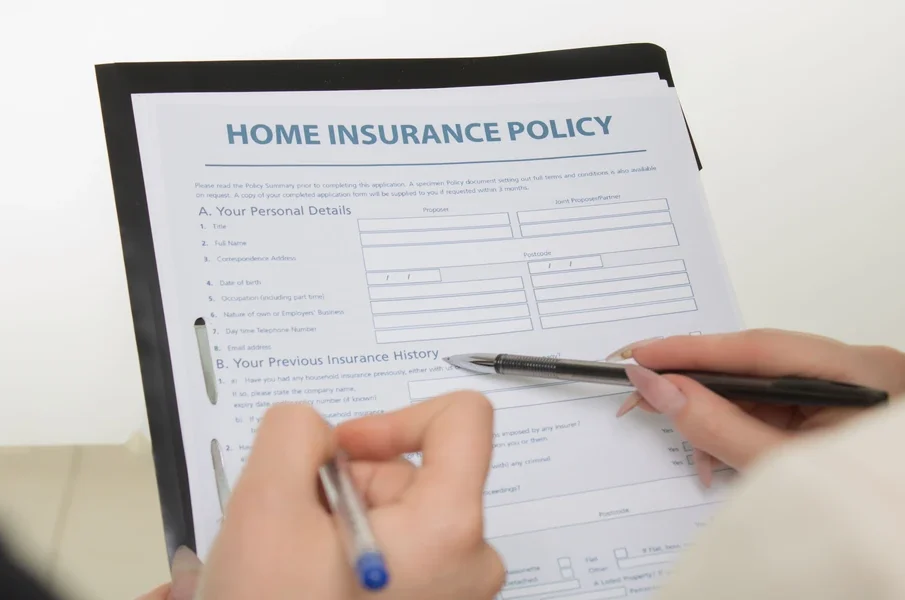
Sometimes all the details of an insurance policy (https://en.wikipedia.org/wiki/Insurance_policy) stay locked up in a file folder and gather dust. Then one day there’s an accident or claim, or you’re buying a new car, moving into a new house, or making other changes, and all of a sudden it’s important to understand your insurance policies. The renewal notices come in and go out the door without a second thought because, well, nothing ever happens anyway.
Insurance works best when it makes sense in terms of your current needs, not simply when you’re looking for “good coverage” or the lowest premium. Reviewing your policies and what they do and don’t cover isn’t simply for show. These decisions made in advance of any losses determine not only what you pay, but the overall level of financial protection you’ll receive if disaster strikes.
Start With What Needs Protecting
Making the right insurance decisions can be easier if you first consider:
- Your most expensive possessions
- Your financial obligations
- Your risks when driving or owning property
- Any people who depend on your income
- Gaps in, or duplication of, coverage
When reviewing these factors, The Insurance Shop can be a useful resource for considering insurance options that align with your particular needs and circumstances. Big life changes, such as home renovations, working from home, an expensive purchase, a growing side business or a new driver in the family, can suddenly mean your regular insurance policies aren’t providing sufficient coverage for your changing needs.
Look Past the Monthly Premium
It can be tempting to focus on getting the lowest-cost insurance premium. But the overall costs of coverage include other policy details such as the limits of your coverage, deductibles, exclusions, rules for repairs and conditions for paying claims. For example, a deductible is the amount you agree to pay on a valid insurance claim before coverage kicks in. A higher deductible means you can lower your insurance premium payments, but make sure you’ll have the resources to pay the deductible amount if there’s an accident or other covered event.
Policy limits on repairs or replacement, liability or medical bills may not provide as much coverage as you actually need. Matching coverage details with actual needs isn’t always as critical if losses or replacement items will be inexpensive and easily managed. But if an accident, fire or other disaster could affect your financial security, income, housing or mobility, it’s important to make sure the details of your policies make sense.
Know What the Policy Does Not Cover

Exclusions specify certain events, types of items or behavior that are not eligible for coverage under your policy. For instance, typical insurance policies may have limited coverage for certain types of water damage, business property, expensive personal items or certain activities. It’s also common for coverage to depend on the way an item was used, maintained or stored.
Be sure you understand:
- What kinds of losses and situations aren’t covered
- How much the insurance will pay in the event of a valid claim, namely the full replacement cost or a depreciated value
- What proof and information you may need to file or receive insurance money for a claim
- If additional coverage options are available to fill any gaps
Check Liability Before Trouble Starts
Liability insurance can help pay for damage or injury to someone else’s property or person for which you’re found at fault. Liability coverage can also cover legal defense costs.
Deciding on the amount of liability insurance that makes sense will depend on a number of factors, including your driving record, assets, financial obligations, and any business ventures. Keep in mind that home, auto, business, renters or umbrella policies each may provide liability coverage with different terms.
Make Policy Reviews a Regular Habit
There’s no set formula for how often you should review the details of your insurance policies. Changes in your work situation, family, finances or possessions may call for insurance updates. Buying a car, getting married, moving or adding a new driver are just a few life changes that can mean you should take another look at coverage amounts, deductibles, liability coverage, and other insurance terms.
One good benchmark: Start reviewing your insurance needs and policies about a month before the renewal date. That gives you time to request updated documents or shop for quotes if you’d like to compare your options. And take time to plan ahead, because knowing what you need ahead of time can prevent last-minute scrambles.
Before You Renew or Buy
Have all the policy paperwork on hand. Review what the insurance policy does and doesn’t cover. Determine how much coverage you may need, including the deductibles. Find out how items will be repaired or replaced in the event of a claim. Consider if additional riders or endorsements may be helpful.
Saving receipts, taking photos of important possessions, making lists, gathering contact information for insurance policies, or storing that information in a place that’s easily accessible to you and your family can make it simpler to file and verify an insurance claim if disaster strikes.