From Demat Account Opening to Stock Trading: A Practical Guide for Beginners
The Modern Investor’s Digital Vault
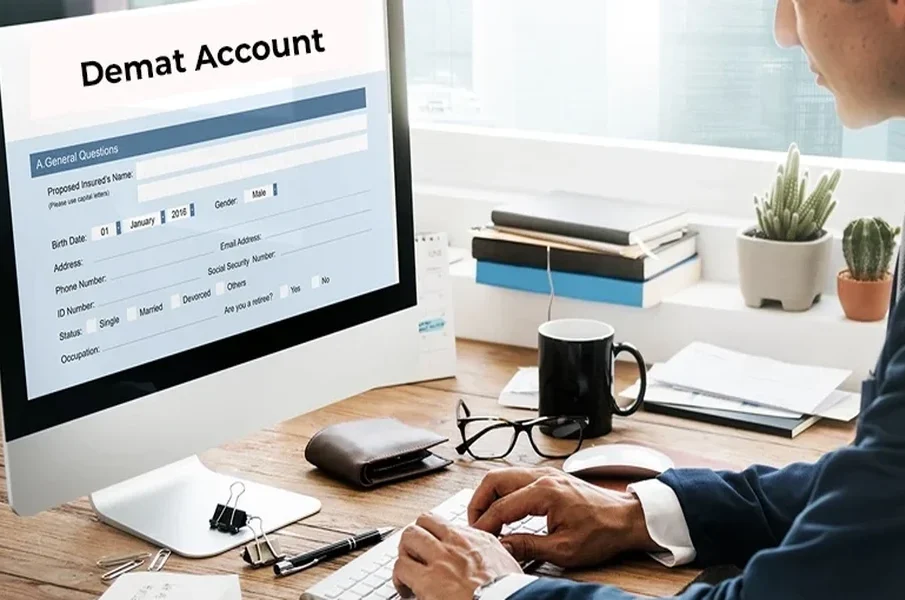
A demat account is where your shares, bonds, and mutual funds sit in electronic form – no paper certificates, no worry about damage or loss. Introduced in India back in 1996 for NSE trades, the system rests on two depositories, NSDL and CDSL, that hold and maintain records of all securities. You don’t deal with them directly; instead, you interact with a Depository Participant (DP) – a bank, a broker, or a financial institution – who opens and manages your account. The entire setup is regulated by SEBI to keep things fair and transparent. In simple terms, a demat account works like a digital locker: when you buy, securities get credited; when you sell, they get debited. It’s the first step to owning a slice of a company without ever touching a physical share certificate.
Your Roadmap to Open Demat Account Online
Getting started no longer means visiting a branch or filling stacks of forms. Simply pick a SEBI-registered DP to create a demat account online; many now give this opportunity via its mobile applications. You supply your PAN, Aadhaar, a cancelled check or bank details, do a video KYC and e-sign the papers to complete the paperless procedure. Your account will become active in a few hours. When you download a platform such as HDFC Sky, for example, the app leads you through the complete process of linking your bank account and verifying your identity. There’s no minimum balance requirement, and you can start with whatever amount you’re comfortable with. The entire journey to open demat account online is designed to be straightforward so you can focus on what comes next. Once the account is live, you’ll also get a trading account – the interface that actually lets you place buy and sell orders. The demat account holds; the trading account transacts.
Linking Your Tools for Stock Trading
Before you think about stock trading, understand that your demat, trading, and bank accounts are interconnected. When you buy a share, the trading account debits money from your bank and sends a request to the exchange. After the trade settles, the shares appear in your demat account. This loop works seamlessly in the background. Real stock trading involves more than just picking a company – you need to grasp market orders, limit orders, and the timing of settlements. But for a beginner, the first milestone is simply logging into the trading interface and watching how prices move. Many new investors test the waters with a small purchase of a familiar company. Because your demat account holds everything electronically, you’ll see your portfolio value update in real time, giving you instant feedback on how stock trading decisions play out.
Essential Features to Look for in a Trading App
Once your accounts are active, the app you use can shape your investing experience. A good platform offers more than just buy and sell buttons. Here’s what a modern trading app typically provides:
- Instant fund transfers and real-time order execution across BSE and NSE.
- Access to multiple segments: equities, IPOs, mutual funds, futures & options, and currencies.
- Research tools, screeners, and advanced charts for informed decisions.
- Zero brokerage on delivery trades, reducing costs for long-term investors.
- A unified picture of your assets, tax-ready reports, and profit and loss accounts.
- Security features include two-factor authentication and rapid customer assistance.
Beginner-friendly applications have a straightforward user interface so that jargon doesn’t distract you. When you need a break, you may halt trading, setup watchlists, and set price alerts. The idea is to make your initial transactions look natural rather than terrifying.
Separating Demat Myths from Reality
A common question is whether you need a lot of money to begin. You don’t. The Basic Services Demat Account (BSDA), which limits annual maintenance costs provided your account value remains below a predetermined threshold, has been made accessible to normal customers by SEBI. Another misperception is that a demat account may only keep shares; fact, it can also hold bonds, government assets, mutual fund units, and exchange-traded funds (ETFs). And yes, it’s now mandatory – since March 2019, you cannot sell shares from a physical certificate; everything must be in demat form. Even transfers to family members or gifting shares become simple affairs done via a delivery instruction slip rather than paperwork. If you ever wondered whether you need to actively monitor your account, the answer is no: corporate actions like dividends, bonus issues, and stock splits reflect automatically. Your demat account keeps your investments safe, accessible, and ready for any market move you plan to make. A well-structured demat journey truly begins the moment you decide to open demat account online and stays with you as your portfolio grows.